01. My Path
For years I did a bit of everything in electronic product development, from the chip to the software that drives the board:
Electronics
- Schematics and layout (KiCad)
- Ethernet, SPI, I2C…
- Power & battery (PMIC)
- Microelectronics
Microcontrollers & RTOS
- C/C++ firmware (STM32)
- FreeRTOS
- Embedded Linux
- Drivers and protocols
Software & DevOps
- C++ (Qt) and Python applications
- Touch interfaces (HMI)
- CMake, Git, Docker
- Continuous integration
Product development
- From requirements to prototype
- Testing and test automation
- Going into operation
- Budget constraints
Two projects sum up that period well:
- Test automation, defense sector: a Python framework that drives the product and runs the engineers’ scenarios on its own. Average test time divided by 30.
- Escape games: 15+ types of interconnected boards, their firmware and Qt interfaces, for rooms open to the public for several years, without a breakdown.
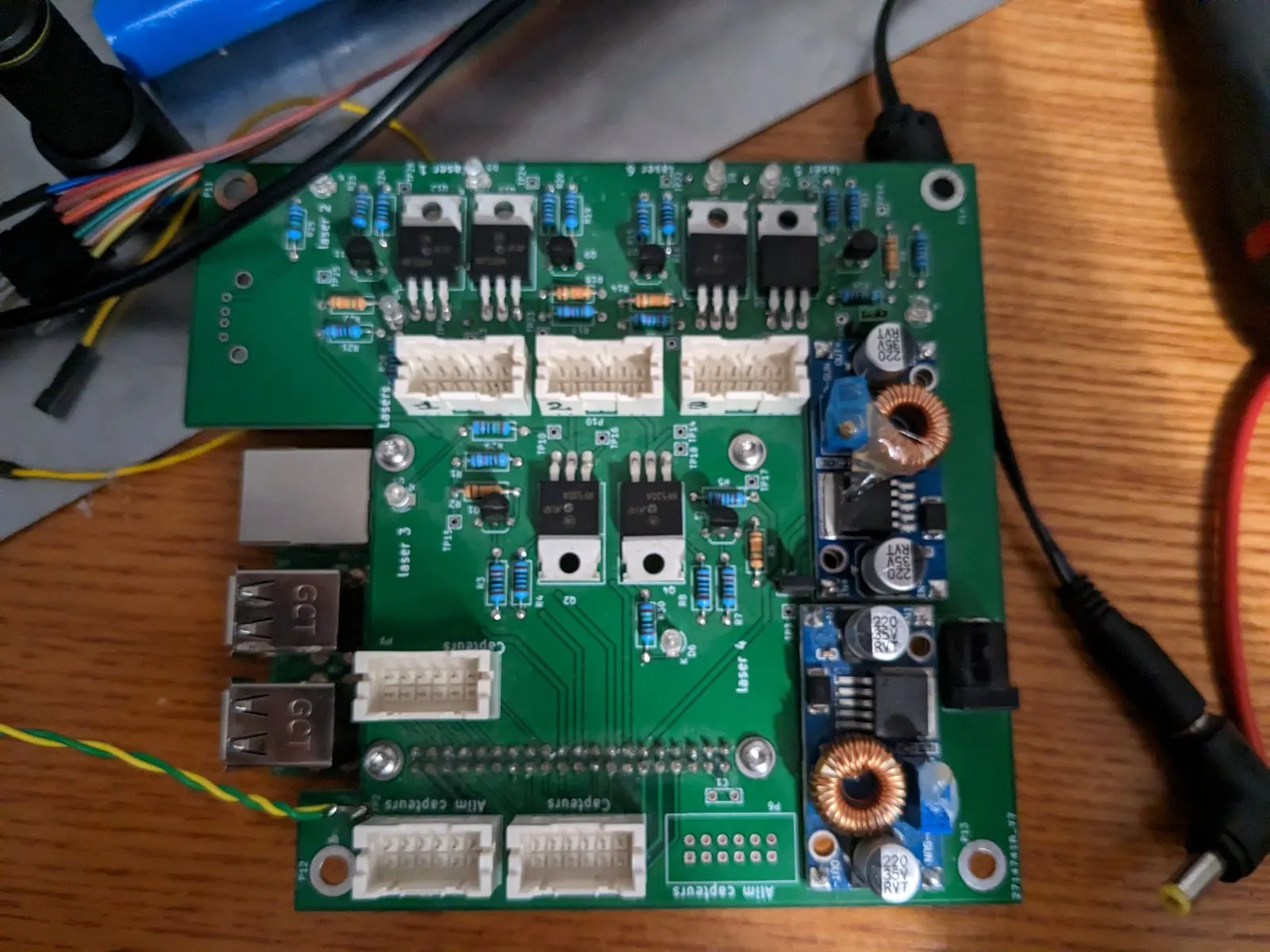 Control boards deployed in a commercial room
02. A Few Boards
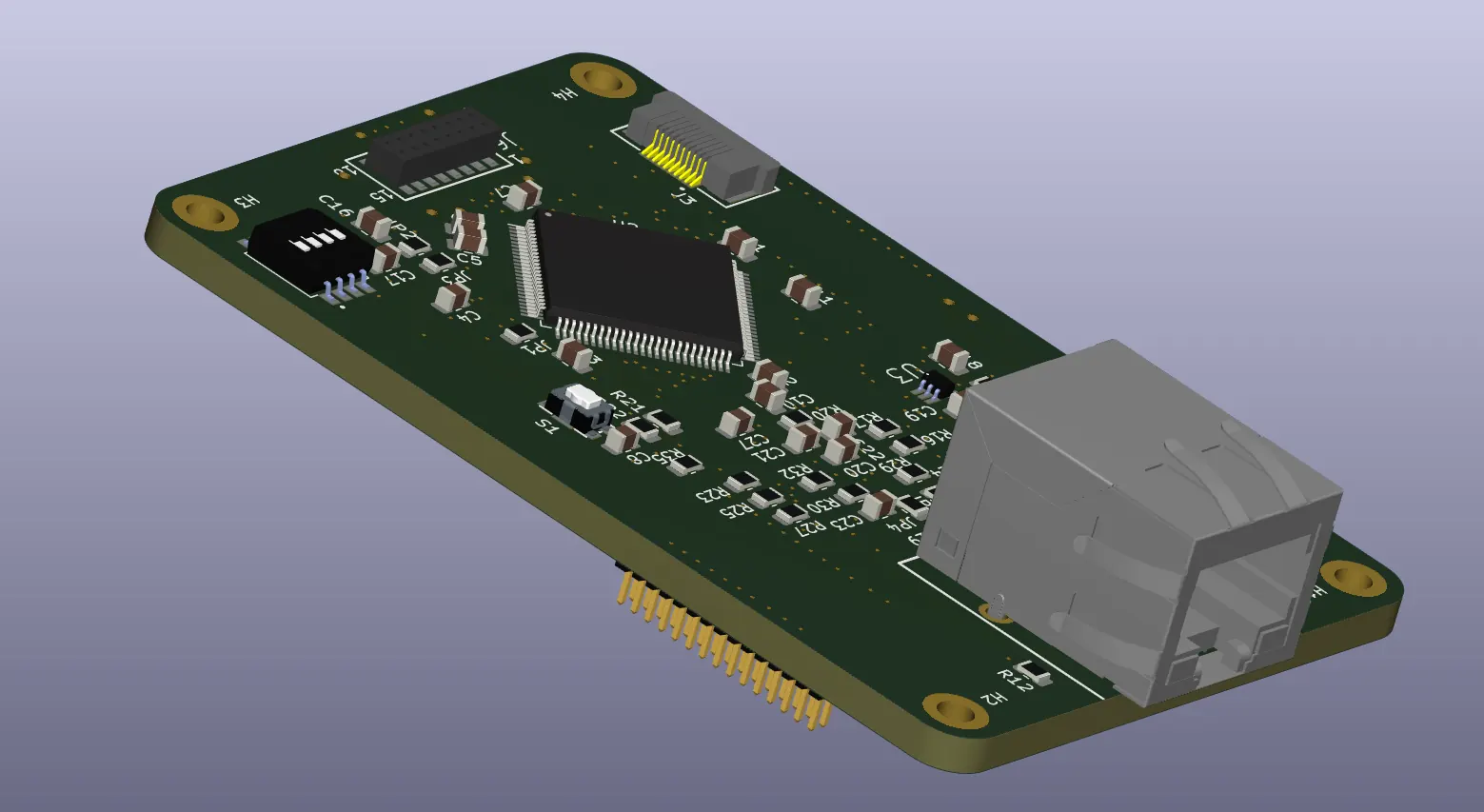
STM32 Ethernet: differential routing and impedance matching for an embedded TCP/IP stack (FreeRTOS).
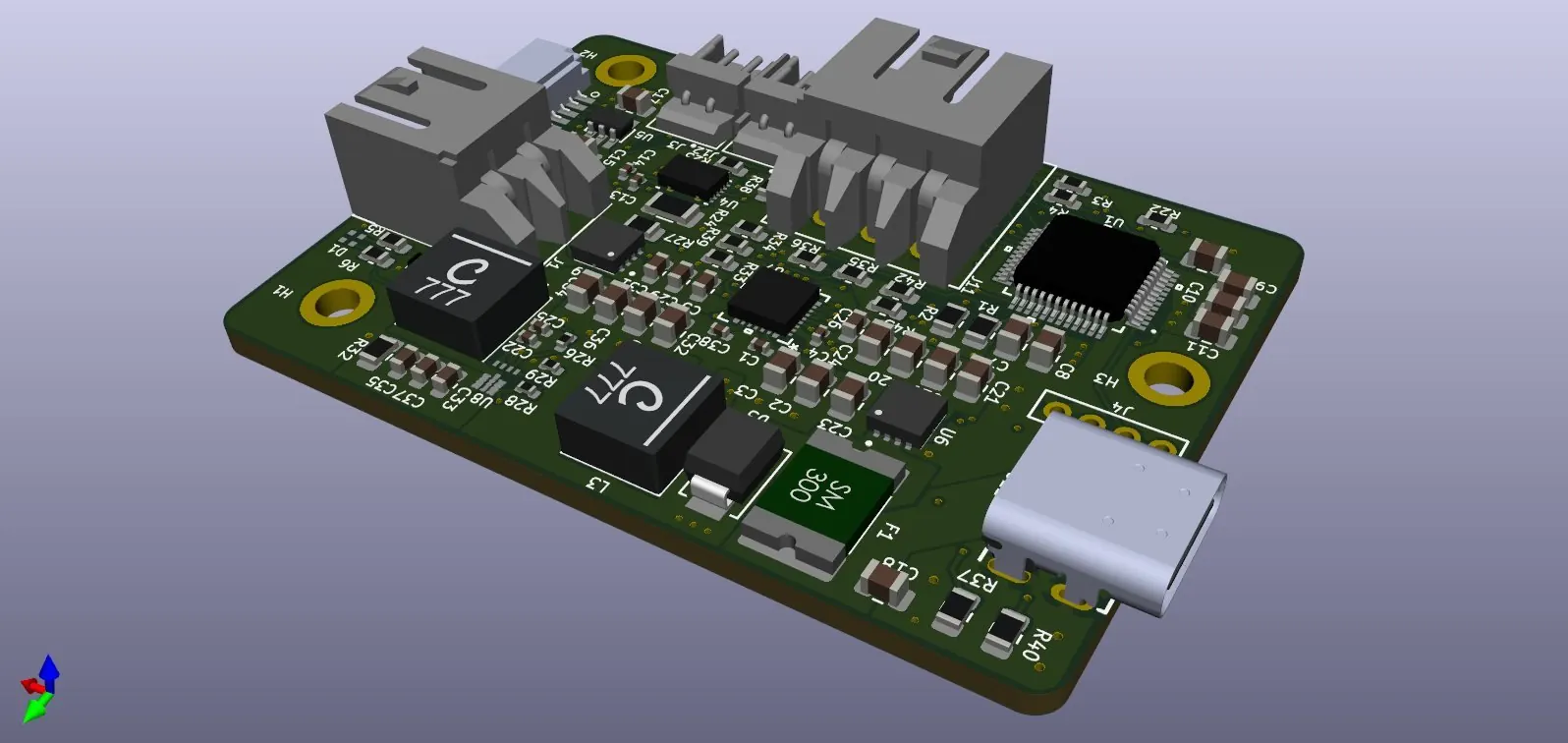
Battery management: charge protection, fuel gauge and power optimization.
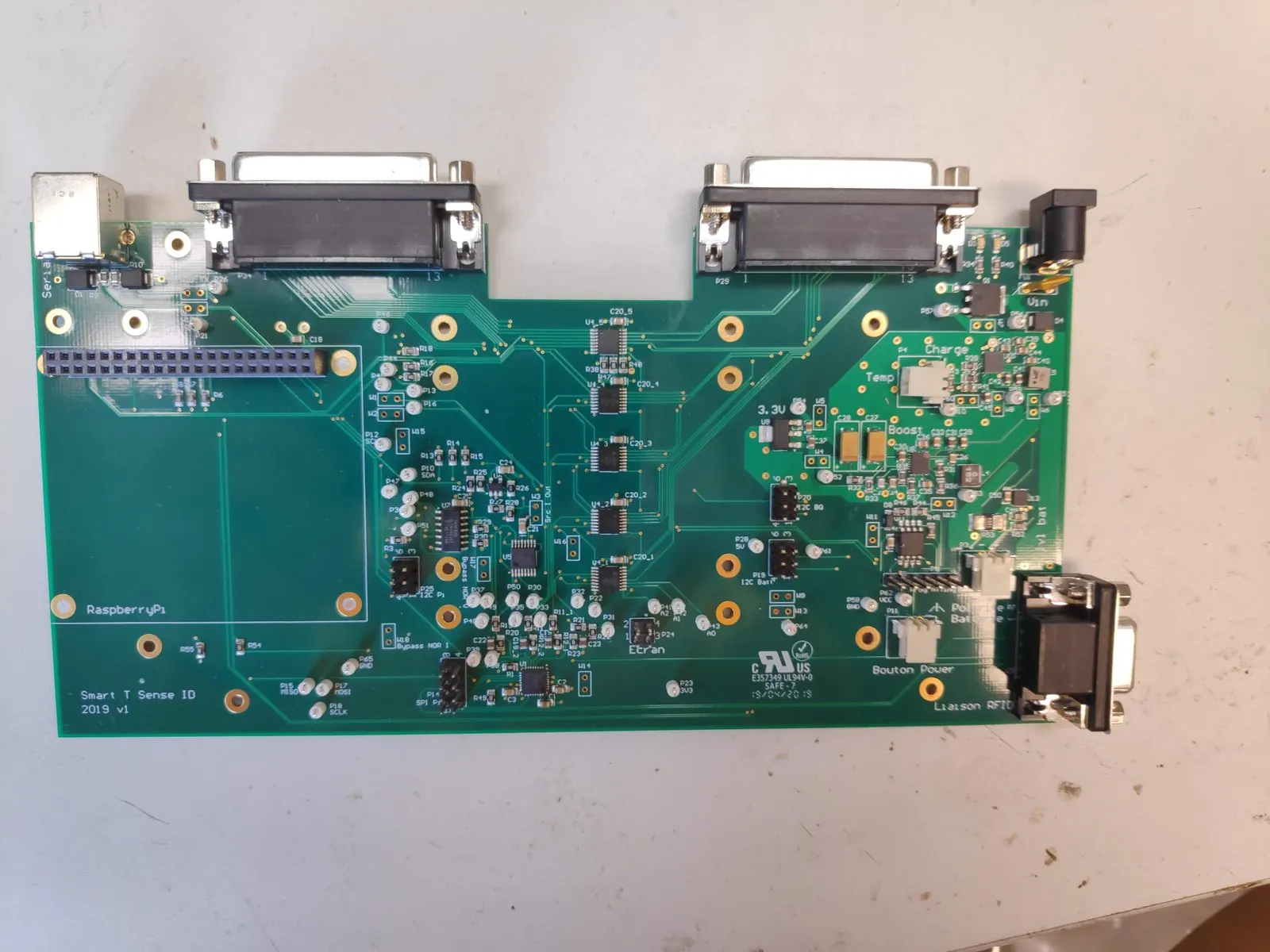
Analog measurement: a custom board for a research lab.
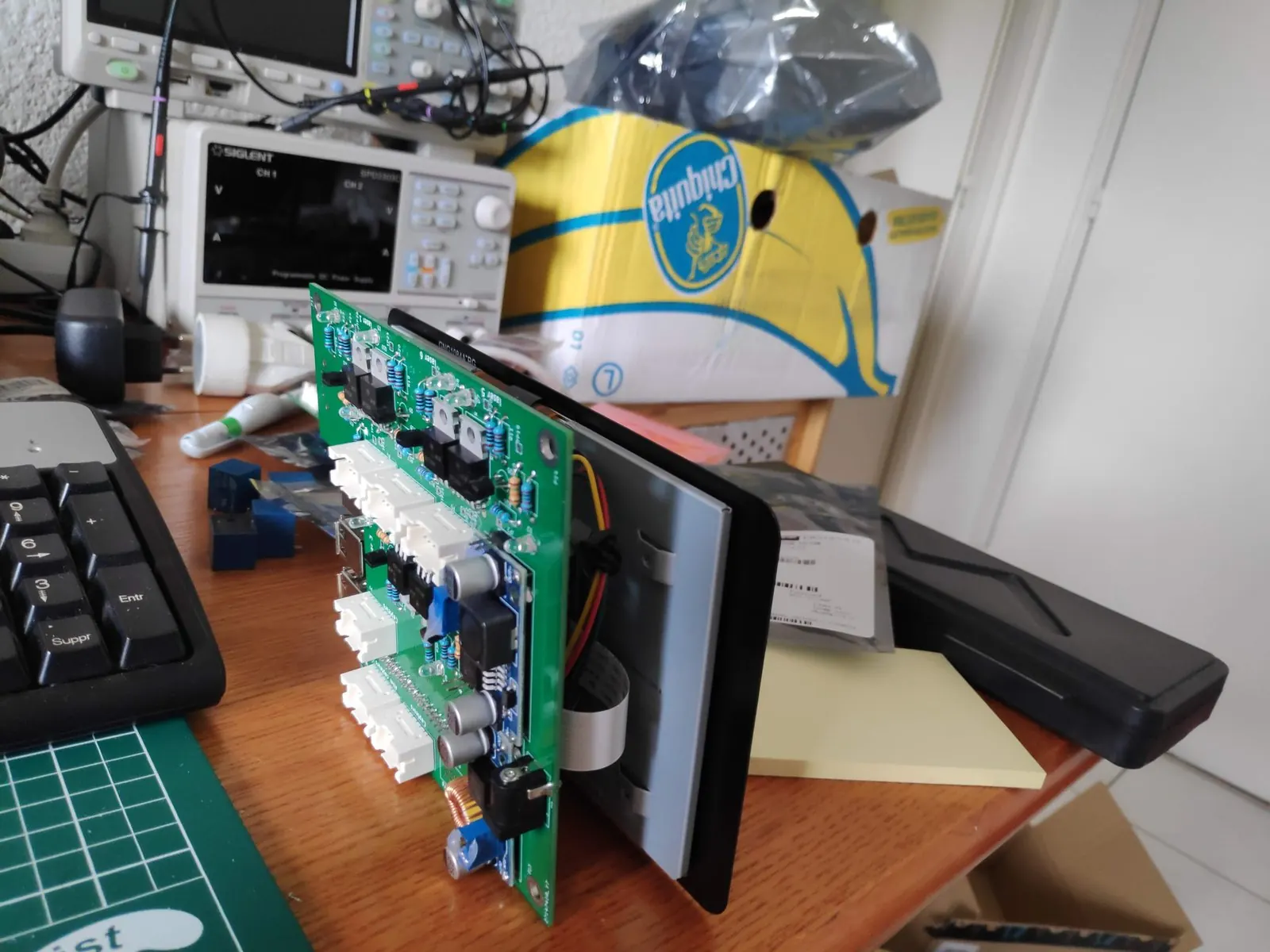
Board + Raspberry Pi + screen: a fast, low-cost prototype.
03. Today: AI, Down to the Hardware
I now specialize in AI automation tied to hardware. That is where my background makes the difference:
- connecting sensors, machines and test benches to your tools, and letting AI turn them into reports, alerts and decisions;
- automating the work of technical teams: datasheets, bills of materials, test logs, documentation;
- designing, when needed, the missing board or firmware that makes the link.
I work with my own system of AI agents, built project after project. What AI can do for you
04. Home Lab
I have a Home Lab equipped for hardware prototyping and debugging: oscilloscope, regulated power supply, signal generator, logic analyzer, microscope, SMD soldering station. I work remotely, with regular progress updates across European time zones.
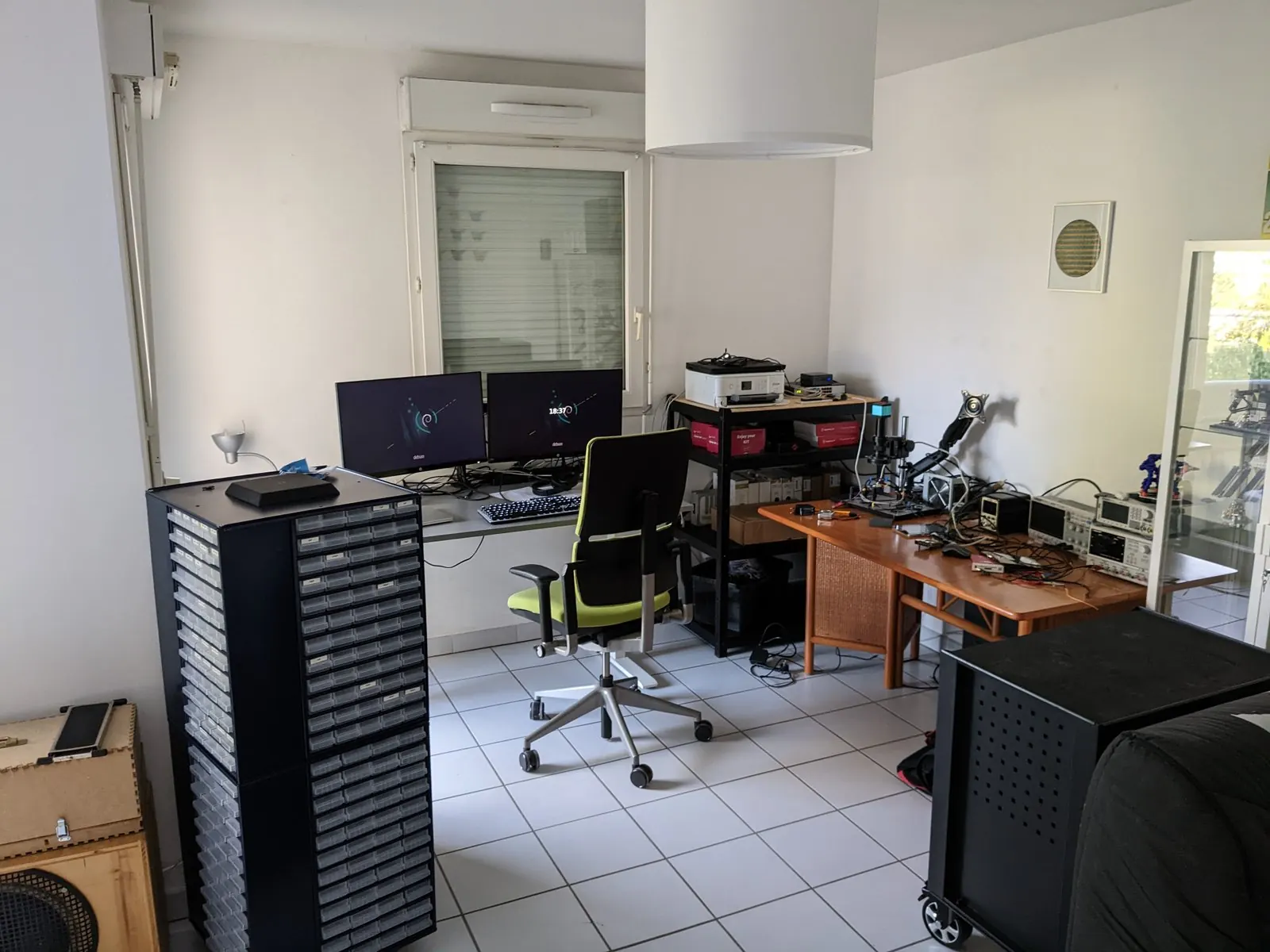 My workstation, equipped for full hardware diagnostics.